Our role
We find the technology.
We build the route to adoption.
We connect a specific welfare need, a credible intervention, a manufacturer and an operator able to make a change.
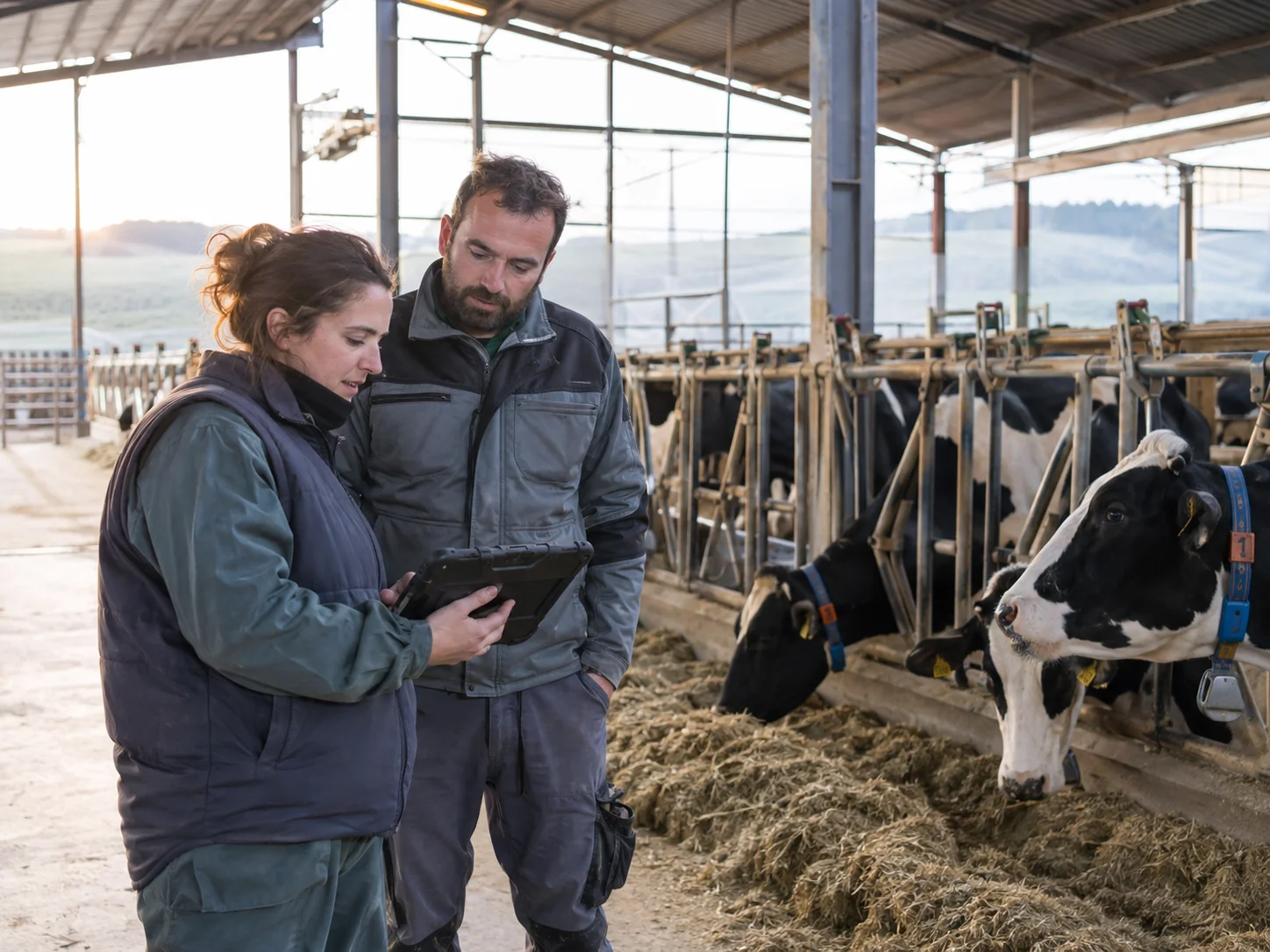
The work between discovery and use
Aelzia combines technology scouting, manufacturer qualification and industrial market development. We seek the decision-makers, understand the operating constraints, and help define a route through feasibility, a pilot and commercial adoption. Our initial markets are Spain and Portugal; our search for technology is international.
Two starting points
A manufacturer may bring a technology. An operator may bring a problem. In both cases, the welfare need, evidence, operating fit and ability to deliver must come together before a proposal.
An agreed scope, with named responsibilities
Aelzia develops the commercial project and coordinates its progress. Manufacturers and qualified delivery partners provide engineering, installation, commissioning, training and technical support within an agreed scope. Scientific and veterinary judgements belong to appropriately qualified specialists. Operators retain their responsibilities for animals and facilities.
A focused first programme
We begin with pigs across farm life, handling, transport and slaughter. Birds, fish and other sentient animals remain within the mission. A programme focus directs our effort; it is not a claim that every opportunity in one species is better than every opportunity in another.
Our current stage
Aelzia is a founder-led initiative developing its first technology and operating relationships. We do not yet claim completed pilots, an appointed scientific advisory board, signed manufacturer representation or measured animal impact.
The adoption pathway
Find a relevant solution.
Search internationally. Identify the welfare claim, intended use and evidence behind it. Separate technical promise from demonstrated results.
Match a real need.
Define the animal, the harm, the current method and the operating constraints. A technology becomes relevant when it addresses a specific problem.
Establish who can deliver.
Examine maturity, references, existing representation and technical support. Agree the contribution Aelzia can make and the responsibilities each partner carries.
Reach the people who decide.
Bring welfare, operations, engineering and investment into the conversation. Confirm who can approve and execute the change.
Test the fit responsibly.
Agree a bounded comparison, qualified oversight, permissions, data access and stopping criteria before work involving animals begins.
Follow through to use.
Support the commercial agreement and coordinate installation, training and continuing support with the manufacturer and qualified delivery partners.
Extend what holds up.
Replicate where evidence and operating conditions justify it. Track measured animal outcomes separately from sales and potential reach.
What an adoption project needs
The first conversation establishes the decision to be made. An operator may want to understand a recurring handling problem, compare an existing system with a proposed alternative, or decide whether better monitoring would change daily practice. A manufacturer may need to establish where its technology fits, who would use it and what local support would be required.
We use that starting point to define the species, process, intended welfare outcome and practical constraints. Facility layout, staff routines, throughput, maintenance, training and the ability to respond to an alert all matter. A technically promising product can still be unsuitable for a particular operation.
Preparing a useful trial
A trial should answer a decision, not simply demonstrate that equipment can run. Before it begins, the parties need to agree what will be observed, what it will be compared with, who will collect and interpret the information, and what would count as a reason to continue, adapt or stop.
Aelzia can help coordinate the commercial and organisational preparation. The manufacturer, operator and appointed specialists must agree their respective technical duties, access, data arrangements and resources. Installation, animal assessment and operational authorisation remain with people qualified and authorised for those tasks.
Making the commercial route workable
Market development can include identifying potential users, understanding existing distribution, preparing introductions, clarifying the offer and supporting negotiations. Depending on the opportunity, an engagement may involve a defined fee, a commission or a scoped coordination role. Territory, payment, support and conflicts of interest need to be agreed before work is represented as a commitment.
The project should also consider life after the initial sale: service availability, replacement parts, training, changes in operating conditions and the cost of maintaining the intended benefit. Adoption is useful when an intervention can become a reliable part of everyday work.
A clear next decision
The outcome of an early assessment may be to gather more evidence, seek specialist advice, prepare a trial, revise the proposal or decline the opportunity. We aim to make that decision better informed and to identify who is responsible for the next action.